
Learn about the importance of preventive care and what happens during your yearly checkup.

Managing diabetes effectively is essential for maintaining long-term health and preventing complications. One of the most important tools in diabetes management is the A1C test—a key indicator of how well your blood sugar is being controlled over time
The A1C test (also known as HbA1c) measures your average blood sugar levels over the past 2 to 3 months. Unlike daily glucose checks, it provides a broader picture of how your diabetes is being managed.
For many patients with diabetes, the goal is typically to maintain an A1C below 7%, but your provider may personalize this target.
Keeping your A1C within your target range helps reduce the risk of serious complications, including:
Consistent control is key to living a healthy and active life with diabetes.
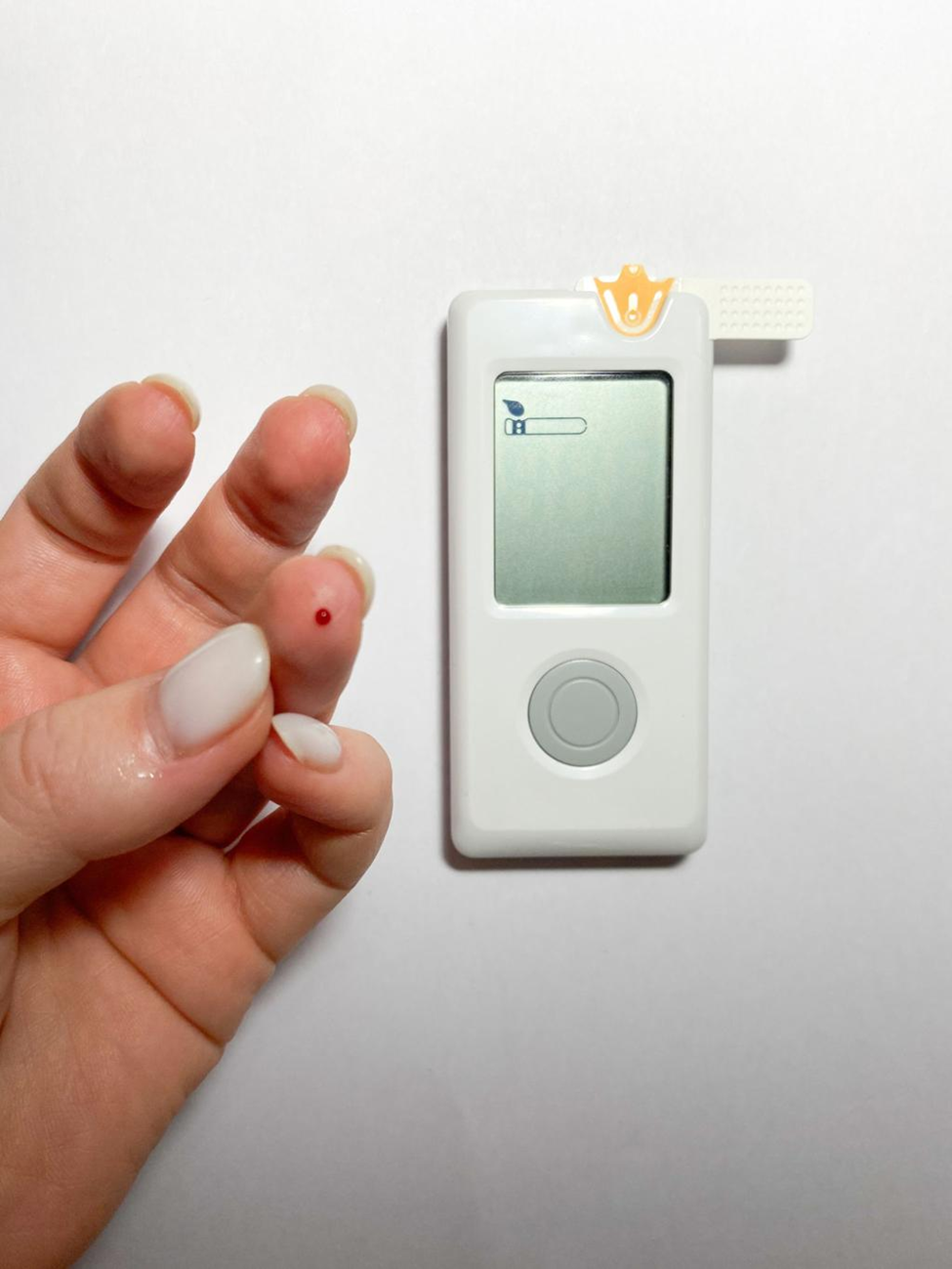
Several daily factors influence your blood sugar levels and, ultimately, your A1C:

What you eat has the biggest impact. Focus on balanced meals with:
Regular exercise helps your body use insulin more effectively and lowers blood sugar levels.
Taking medications or insulin as prescribed is critical for maintaining stable glucose levels.
High stress and poor sleep can increase blood sugar levels and make diabetes harder to manage.
Here are practical steps to help you stay on track:
Regular monitoring helps you understand patterns and make necessary adjustments.
Avoid large spikes in blood sugar by eating balanced meals at regular intervals.
Aim for at least 150 minutes of moderate exercise per week, such as walking.
Never skip doses and always follow your provider’s instructions.
Routine check-ups allow your healthcare provider to adjust your treatment plan as needed.
Most patients should have their A1C tested:
Your provider will recommend the best schedule for you.
Contact your healthcare provider if you experience:
Early intervention can prevent complications and improve outcomes.
Managing diabetes is a continuous process, but with the right guidance and lifestyle choices, it is absolutely possible to maintain excellent control.
At Family Medicine of Orlando, we provide personalized care, education, and support to help you manage your diabetes and achieve your health goals.